Does Phone Screens Really Ruin Your Sleep? New Research Reveals the Truth About Blue Light
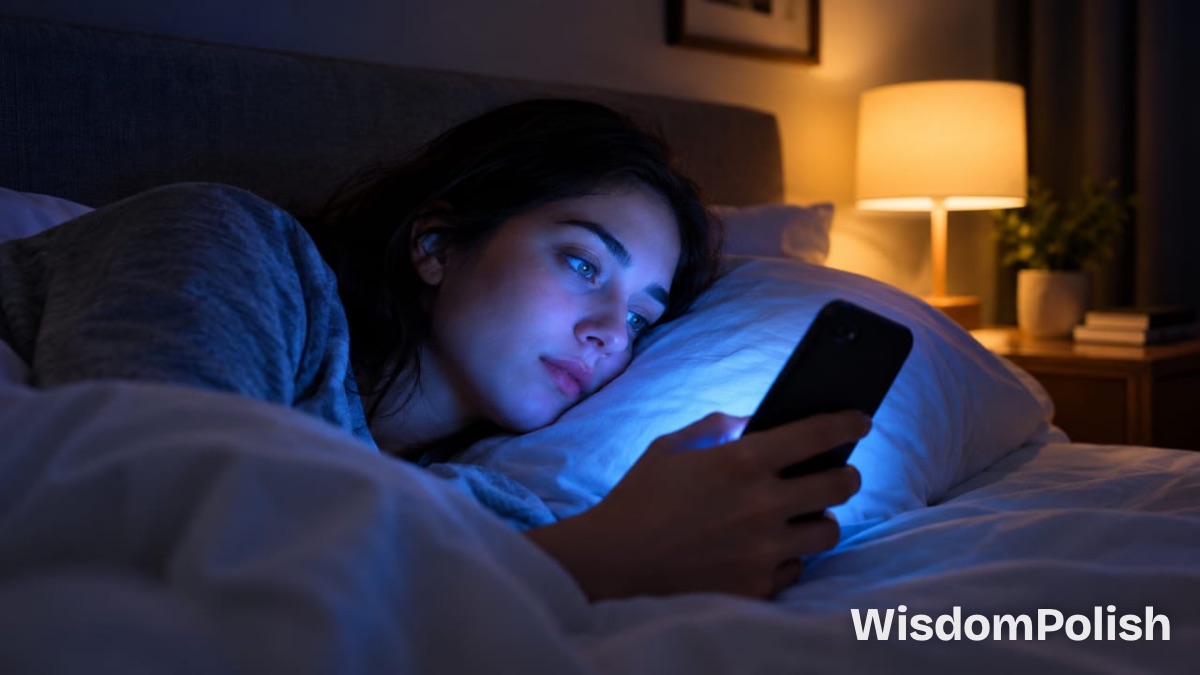
# Does Blue Light From Phones Affect Sleep? What Science Really Says
For years, people have been warned that the blue light emitted by smartphones, computers, and televisions can disrupt sleep. As a result, millions of people have started using blue-light filters, reducing screen brightness, and purchasing special glasses in the hope of getting a better night's rest.
However, scientific research suggests that the relationship between blue light and sleep is more complicated than many people realize.
Although light can influence our internal body clock, the amount of light we receive throughout the day and our activities before bedtime may be just as important as the light emitted by our screens.
## What Is Blue Light?
Blue light is part of the visible light spectrum. It occurs naturally in sunlight and is also emitted by electronic screens and modern LED lighting.
Our bodies have an internal biological clock that helps regulate when we feel awake and when we feel sleepy. One important hormone involved in this process is melatonin, which helps signal that it is time to prepare for sleep.
Special light-sensitive cells in our eyes respond to light, particularly certain blue wavelengths. Exposure to light at the wrong time, especially during the evening, can influence our biological clock and delay the natural process of falling asleep.
This is why scientists have investigated whether using smartphones at night can negatively affect sleep quality.
## What Does Scientific Research Say About Blue Light?
Research has shown that using electronic devices before bedtime can affect sleep under certain conditions.
An influential study published in 2015 compared people who read using an iPad with those who read printed books before bedtime. The researchers found that participants who used the electronic device took longer to fall asleep, experienced reduced evening melatonin levels, and felt sleepier the following morning.
These findings attracted considerable attention and helped popularize concerns about blue light.
However, scientists have since emphasized that laboratory findings do not always reflect the conditions people experience in everyday life.
The effects of screen light can vary depending on brightness, exposure duration, individual sensitivity, and the lighting conditions a person experiences throughout the day.
Some research suggests that the direct effect of screen-emitted light on sleep onset may be relatively small. This does not mean that blue light has no effect, but it suggests that it may not be the main reason everyone experiences sleep problems.
## Why Smartphones May Keep You Awake
If blue light is not always the main problem, why do so many people struggle to fall asleep after using their phones?
One possible explanation is the content people consume.
Watching exciting videos, playing games, reading stressful news, responding to messages, or scrolling endlessly through social media can keep the brain alert when it should be preparing for rest.
For example, someone who intends to check social media for five minutes might continue scrolling for an hour. This delays bedtime and reduces the total amount of sleep they receive.
Emotional stimulation can also make it harder to relax. An upsetting message, an argument online, or an exciting video may leave the mind active even after the phone has been put away.
Therefore, the problem may not simply be the light coming from your phone. How long you use it and what you do with it before bed may also play important roles.
## Daytime Sunlight Could Be More Important Than You Think
One of the most important factors influencing sleep is exposure to natural daylight.
Our biological clock uses light as a signal to distinguish daytime from nighttime. Receiving sufficient light during the day helps reinforce this natural rhythm.
However, many people now spend most of their time indoors, where lighting is considerably dimmer than natural daylight.
They may wake up, work, eat, and relax under artificial lighting before finally going to bed. Without a strong difference between daytime brightness and evening darkness, the body's internal clock may receive weaker signals about when to be alert and when to rest.
Natural daylight can be much brighter than typical indoor lighting, even on an overcast day.
Spending time outdoors during daylight hours may therefore help strengthen the body's natural sleep-wake cycle.
### Simple Ways to Get More Daylight
You do not need expensive equipment to improve your exposure to natural light.
Here are some practical habits to consider:
1. Spend 20–30 minutes outdoors in the morning. A walk or time outside after waking up can help establish a regular daily rhythm.
2. Take breaks outside during the day. If you work indoors, try to spend some time outdoors during your breaks.
3. Open your curtains during daylight hours. Allowing natural light into your home can help make your daytime environment brighter.
4. Spend time outdoors in the afternoon when practical. Daylight exposure at different times of the day can help reinforce your body's daily rhythm.
5. Reduce unnecessary bright lighting in the evening. A gradual transition to a dimmer environment can help signal that bedtime is approaching.
If you spend a lot of time outdoors, remember to protect your skin appropriately from excessive ultraviolet exposure.
## Do Blue-Light Filters and Special Glasses Actually Work?
Many smartphones now include features such as Night Shift, Eye Comfort Shield, or Night Light. These settings change the colour temperature of the screen, making it appear warmer.
Special glasses with amber or orange lenses are also marketed as a way to block blue light.
However, evidence that these products consistently improve sleep is limited and mixed.
Some people may find warmer screen colours more comfortable in the evening. Others may feel that using a night-time filter helps them establish a relaxing bedtime routine.
Nevertheless, changing the colour of a screen does not automatically eliminate the effects of prolonged device use or mental stimulation.
If you use a phone before bed, reducing its brightness and enabling a warmer display may be reasonable steps. However, you should not expect these settings alone to solve persistent sleep problems.
There is also no general need to purchase expensive blue-light-blocking glasses solely to improve sleep.
## Six Ways to Improve Your Sleep Naturally
Improving sleep does not necessarily require eliminating every trace of blue light or avoiding all artificial lighting.
Instead, focus on habits that encourage relaxation and maintain a consistent sleep schedule.
### 1. Keep a Regular Sleep Schedule
Try to go to bed and wake up at approximately the same times every day, including weekends.
A consistent routine can help regulate your body's internal clock and make it easier to establish healthy sleeping habits.
### 2. Reduce Screen Use Before Bed
If you regularly struggle to fall asleep, experiment with putting your phone away 30–60 minutes before bedtime.
Use this time for relaxing activities such as reading a printed book, listening to calm music, or preparing for the following day.
### 3. Dim Your Lights in the Evening
Bright indoor lighting can contribute to alertness, particularly when exposure continues late into the night.
Consider using softer lighting in the hours before bedtime.
You do not need to use candles or make your home completely dark. Ordinary electric lights with comfortable, lower brightness are a practical option for most households.
### 4. Get Enough Daytime Light
Try to spend time outdoors during the day, particularly in the morning.
If your job keeps you indoors, take short outdoor breaks whenever possible.
Regular daylight exposure can help reinforce the body's natural sleep-wake cycle.
### 5. Avoid Stimulating Content at Bedtime
Consider avoiding stressful conversations, emotionally intense videos, competitive games, and work-related messages shortly before sleeping.
If you need to use your phone, choose activities that help you relax rather than keep you mentally engaged.
### 6. Pay Attention to Your Sleep Patterns
People respond differently to evening light and electronic devices.
If you notice that using your phone late at night consistently delays your bedtime or makes it harder to fall asleep, try changing your routine for a couple of weeks.
Observe whether you fall asleep more easily, wake up less frequently, or feel more refreshed in the morning.
If sleep problems persist despite improving your habits, consider seeking advice from a healthcare professional.
## What About People Who Work Night Shifts?
For people working night shifts, managing light exposure can be particularly challenging.
Bright light during working hours may help maintain alertness, while light exposure on the journey home can sometimes interfere with daytime sleep.
People who work irregular schedules may benefit from keeping their sleeping environment dark, quiet, and comfortable. Blackout curtains and reducing noise can be particularly helpful for daytime rest.
However, the best approach depends on the individual's work schedule and sleep pattern.
Workers experiencing persistent sleep difficulties should consider discussing their situation with a healthcare professional.
## The Real Secret to Better Sleep
The idea that smartphone blue light is solely responsible for poor sleep is an oversimplification.
Light exposure does influence the body's internal clock, and blue wavelengths can be particularly effective at producing this response under certain conditions.
Nevertheless, everyday sleep is influenced by several interacting factors, including daytime light exposure, evening lighting, stress, sleep schedules, and the stimulating content people consume before bed.
The most useful strategy is not necessarily to eliminate every trace of blue light.
Instead, aim to create a clear distinction between day and night. Get sufficient natural light during the day, reduce unnecessary bright lighting in the evening, maintain a regular sleep schedule, and give your mind time to relax before bedtime.
Your phone screen may play a role in your sleep problems, but your overall lifestyle and bedtime habits deserve just as much attention.
Sometimes, improving your sleep starts with a simple change: spending more time in daylight and less time scrolling when you should be resting.
## Frequently Asked Questions
### Does blue light from phones really affect sleep?
Blue light can influence the body's internal clock and may delay sleep under certain conditions. However, its effects vary between individuals and depend on factors such as brightness, exposure duration, and timing.
### Should I stop using my phone before bed?
If you have trouble sleeping, reducing phone use for 30–60 minutes before bedtime is worth trying. Avoiding stimulating content and maintaining a consistent sleep schedule may also help.
### Do blue-light filters improve sleep?
Blue-light filters reduce some of the blue wavelengths emitted by screens, but evidence that they consistently improve sleep is limited. They should not be considered a complete solution to sleep problems.
### Is morning sunlight good for sleep?
Morning daylight helps reinforce the body's natural biological clock. Spending time outdoors during the day may support a more regular sleep-wake cycle.
### What is the best way to sleep better naturally?
Maintain a consistent sleep schedule, get daylight during the day, reduce bright lighting in the evening, limit stimulating activities before bed, and create a relaxing sleeping environment.
## Final Thoughts
Better sleep is not necessarily about avoiding your smartphone completely. It is about understanding how light, daily routines, and screen habits interact.
By making a few practical changes to your lifestyle, you may be able to improve your sleep without purchasing expensive products or making extreme changes to your home environment.
If you continue to experience persistent sleep problems, seek guidance from a qualified healthcare professional.
Comments
No comments yet. Be the first.
Leave a comment
Comments appear after they are approved.