Lavender: The Beautiful Purple Flower with a Soothing Fragrance and Amazing Uses
# Lavender: The Beautiful Purple Flower with a Soothing Fragrance and Amazing Uses
Lavender is one of the world's most recognizable aromatic plants, admired for its beautiful purple flowers, refreshing fragrance, and wide range of uses. From perfumes and essential oils to gardens and personal care products, lavender has become a popular choice for people who appreciate natural scents and beautiful plants.
But what makes lavender so special? Let's explore its origins, fragrance, benefits, and the many ways this remarkable plant is used around the world.
## What Is Lavender?
Lavender is a flowering plant belonging to the genus Lavandula in the mint family, Lamiaceae. It is native to regions around the Mediterranean and is now cultivated in many parts of the world.
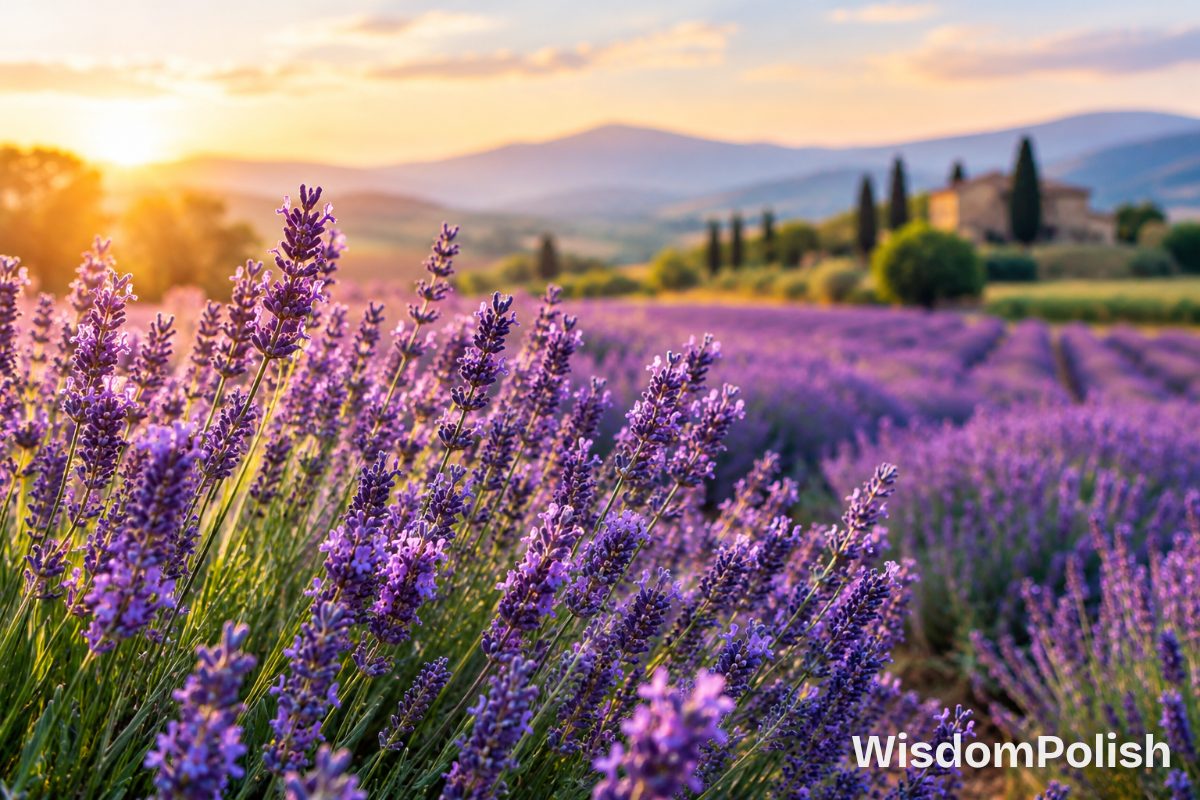
The plant is best known for its small purple or violet flowers, narrow leaves, and distinctive fragrance. Depending on the species and growing conditions, lavender can grow as a small shrub and produce flowers during particular seasons.
Lavender is especially popular in gardens because of its attractive appearance and pleasant aroma. Its flowers also attract bees and other pollinators, making the plant valuable for supporting garden biodiversity.
## What Does Lavender Smell Like?
Lavender has a distinctive fragrance that combines floral, herbal, fresh, and slightly woody notes. Unlike heavily sweet floral scents, traditional lavender often has a clean and balanced aroma.
Its fragrance can be described as:
- Floral: A soft and pleasant flower-like scent. - Herbal: A fresh aroma reminiscent of aromatic green plants. - Clean: A scent often associated with freshness and cleanliness. - Woody: Some varieties have subtle earthy or woody undertones.
The exact fragrance depends on the lavender species, the quality of the essential oil, and how it is processed.
Lavender is widely used in perfumes because it blends well with other fragrance ingredients, including vanilla, citrus, musk, sandalwood, and cedarwood.
## Lavender in Perfumes and Fragrances
Lavender has played an important role in perfumery for generations. It is particularly popular in men's fragrances, where it can provide a fresh, clean, and aromatic character.
When combined with citrus notes, lavender creates a bright and refreshing fragrance. When blended with musk, amber, or woody notes, it can produce a deeper and warmer scent.
Lavender is also used in unisex fragrances and some women's perfumes.
Many people associate lavender fragrances with elegance, freshness, and relaxation. However, the overall character of a perfume depends on the complete fragrance composition rather than lavender alone.
Lavender essential oil is also used in soaps, shampoos, scented candles, and other fragranced products.
## Potential Benefits of Lavender
Lavender has a long history of use in traditional herbal practices. Today, it is studied for its possible effects on relaxation, sleep, and emotional well-being.
### 1. Relaxation and Stress Management
Lavender's fragrance is commonly used in aromatherapy. Some research suggests that inhaling lavender aroma may help certain people feel calmer or more relaxed.
However, results vary, and lavender should not be considered a guaranteed treatment for stress or anxiety.
### 2. Sleep and Rest
Lavender is frequently used in products designed to create a relaxing bedtime environment. Some studies suggest that lavender aromatherapy may improve perceived sleep quality in certain individuals.
Nevertheless, the evidence is mixed, and lavender should not replace professional treatment for persistent sleep problems.
### 3. Personal Care Products
Lavender is a common ingredient in soaps, lotions, shampoos, and bath products because of its fragrance.
People with sensitive skin should be cautious when using products containing lavender essential oil, as it may cause irritation or allergic reactions in some individuals.
### 4. Garden Biodiversity
Lavender flowers attract bees and other pollinating insects. Growing lavender can therefore help provide a useful source of nectar for pollinators, particularly when other flowering plants are also available.
## How Is Lavender Essential Oil Made?
Lavender essential oil is generally produced through steam distillation.
During this process, steam passes through the harvested flowering parts of the plant. The heat helps release volatile aromatic compounds, which travel with the steam. The vapor is then cooled, allowing the essential oil and water to separate.
The resulting oil contains concentrated aromatic compounds responsible for much of lavender's characteristic scent.
The quality and fragrance of the oil can vary depending on the lavender species, growing conditions, harvest timing, and distillation method.
Because essential oils are highly concentrated, they should be used carefully. Lavender essential oil should not be swallowed unless specifically directed by a qualified healthcare professional, and it should generally be diluted appropriately before application to the skin.
## Can Lavender Grow in Warm Countries?
Lavender generally grows best in sunny locations with well-drained soil and good air circulation.
Many varieties prefer relatively dry conditions and may struggle in environments with excessive humidity, poor drainage, or prolonged wet weather.
In tropical countries such as Sri Lanka, growing lavender can be challenging, especially in hot and humid lowland areas. However, success depends on the variety, local climate, soil conditions, and cultivation methods.
People interested in growing lavender in warm regions should consider trying a small number of plants first and monitoring their growth before investing in a larger plantation.
Raised beds or containers with well-draining growing media may help reduce problems caused by waterlogged soil.
## Lavender as an Ornamental Plant
Lavender is a popular ornamental plant because its purple flowers create an attractive appearance in gardens, landscapes, and containers.
It can be planted along pathways, around garden borders, or in pots placed in sunny locations.
Lavender also works well with other plants that prefer similar growing conditions, provided they have compatible water and soil requirements.
Regular pruning at the appropriate time can help maintain the plant's shape and encourage healthy growth. However, pruning techniques should be adapted to the particular lavender species.
## Interesting Facts About Lavender
Here are some interesting facts about this remarkable plant:
- Lavender belongs to the same botanical family as mint, rosemary, and basil. - Its flowers are popular with bees and other pollinators. - Lavender has been used in perfumes and scented products for centuries. - Lavender essential oil is commonly obtained through steam distillation. - The fragrance of lavender can vary significantly between species and varieties. - Lavender is used in some culinary preparations, although only appropriately identified, food-safe lavender should be used for cooking.
## Is Lavender Safe for Everyone?
Lavender is commonly used in fragranced products, but it is not suitable for every person in every form.
Essential oils are concentrated substances and can cause skin irritation or allergic reactions. They should be stored safely and kept away from children's reach.
People who are pregnant, breastfeeding, taking medication, or considering lavender products for a medical condition should seek appropriate professional advice when necessary.
It is also important to remember that natural products are not automatically safe simply because they come from plants.
## Conclusion
Lavender is much more than a beautiful purple flower. Its distinctive fragrance, popularity in perfumery, ornamental value, and long history of use make it one of the world's most appreciated aromatic plants.
Whether it is grown in a garden, distilled into essential oil, or used as an ingredient in a carefully formulated perfume, lavender continues to attract attention for its fresh floral aroma.
Although research into its potential health benefits is ongoing, lavender remains a popular choice for fragrance, gardening, and creating a pleasant atmosphere at home.
With suitable growing conditions and responsible use, this remarkable plant can bring beauty and fragrance into everyday life.
## Frequently Asked Questions (FAQs)
1. What is lavender best known for? Lavender is best known for its purple flowers and distinctive floral-herbal fragrance. It is widely used in perfumes, essential oils, and garden landscaping.
2. What does lavender smell like? Lavender generally has a fresh, floral, herbal scent with subtle woody notes. Its exact aroma varies by species and product.
3. Is lavender commonly used in men's perfumes? Yes. Lavender is a popular ingredient in men's fragrances because it can provide a clean, fresh, aromatic character and blends well with woody, citrus, and musky notes.
4. Can lavender help with sleep? Some research suggests that lavender aromatherapy may help certain people relax and improve perceived sleep quality, although the evidence is mixed.
5. Can lavender grow in Sri Lanka? Lavender can be challenging to grow in Sri Lanka's hot and humid lowlands. Sunny conditions, excellent drainage, and a suitable variety are important for successful cultivation.
6. How is lavender essential oil produced? Lavender essential oil is generally produced through steam distillation of the plant's aromatic flowering parts.
7. Can lavender essential oil be applied directly to the skin? Undiluted lavender essential oil may irritate the skin. It should generally be diluted appropriately, and a healthcare professional can advise on safe use.
8. Does lavender attract bees? Yes. Lavender flowers can attract bees and other pollinators, making the plant a useful addition to many gardens.
Comments
No comments yet. Be the first.
Leave a comment
Comments appear after they are approved.